
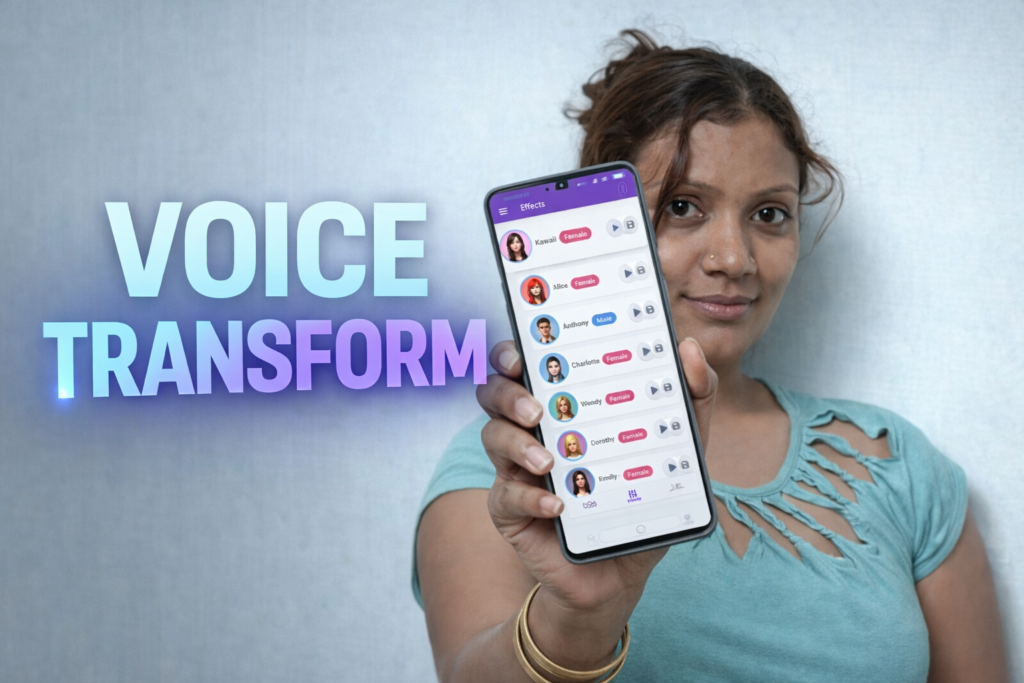
Voice changing has evolved rapidly, and voice change rules 2026 are no longer just about fun effects. Today, voice changers are used for privacy protection, gaming, content creation, accessibility, and professional communication. At the same time, platforms, app stores, and laws are setting clearer boundaries on how voice modification can be used safely and legally.
This guide explains what voice change rules mean in 2026, how voice changer apps work, what is allowed, what is restricted, and how to use them responsibly without risking bans, privacy issues, or policy violations.
Table of Contents
What Are Voice Change Rules in 2026?
Voice change rules 2026 refer to the guidelines, platform policies, and ethical standards that govern how voice-changing technology can be used across apps, games, calls, streaming platforms, and online tools.
In simple terms, these rules focus on:
- Transparency
- Consent
- Privacy protection
- Non-deceptive usage
- Compliance with platform terms
Voice changing itself is not illegal, but how and where it is used matters.
Why Voice Change Rules Became Important in 2026
Voice AI and real-time voice modulation became mainstream in recent years. As a result:
- Misuse cases increased (impersonation, scams)
- Platforms tightened safety policies
- App stores introduced stricter review checks
- Users demanded better privacy protection
Because of this, voice change rules 2026 aim to balance creative freedom with digital safety.
Common Uses Allowed Under Voice Change Rules 2026
Most platforms and apps allow voice changers when used responsibly. Below are the commonly accepted use cases.
1. Entertainment & Fun
- Funny voice effects
- Character voices
- Meme or parody content
- Casual recordings
2. Gaming & Streaming
- In-game roleplay voices
- Live stream character personas
- Privacy-safe voice masking
3. Content Creation
- YouTube narration
- Podcast voice styling
- Educational videos
- Audiobook tone adjustment
4. Privacy Protection
- Masking real voice in public chats
- Protecting identity in online communities
- Avoiding voice recognition profiling
These uses generally follow voice change rules 2026 when no deception or harm is involved.
🚦 Voice Change Rules 2026 – Quick Overview Table
| Use Case | Status | Notes |
|---|---|---|
| Fun voice effects | Allowed | No impersonation or harm |
| Gaming roleplay | Allowed | Follow game platform rules |
| Privacy masking | Allowed | Consent-based communication |
| Voice impersonation | Restricted | Especially public figures |
| Fraud or deception | Not Allowed | Violates laws & policies |
What Is NOT Allowed Under Voice Change Rules 2026
Voice changers cannot be used freely everywhere. The following actions commonly violate rules in 2026:
❌ Impersonating Real People
- Pretending to be someone else
- Copying voices of celebrities, officials, or individuals
- Using voice cloning without permission
❌ Fraud or Misleading Calls
- Fake customer support calls
- Scam calls
- Identity deception
❌ Harassment or Abuse
- Threatening calls
- Voice-based harassment
- Bullying with altered voices
❌ Platform Policy Violations
- Using voice changers where explicitly banned
- Circumventing moderation systems
Even if the app allows voice changing, platform rules override app features.
Voice Change Rules for Android Apps (Play Store)
In 2026, Google Play policies allow voice changer apps only if they meet these conditions:
- Clear disclosure of features
- No hidden recording
- No misuse encouragement
- Transparent permissions
- Privacy policy included
Apps that promote illegal call masking or impersonation are often removed.
Voice Change Rules for Calls & Chats
Voice changers during calls are allowed only when:
- Both parties are aware (recommended)
- No fraud or misrepresentation occurs
- Local call laws are followed
Many modern voice changer apps include warnings and usage notes to align with voice change rules 2026.
Online Voice Changers vs Apps – Rules Difference
| Aspect | Mobile Apps | Online Tools |
|---|---|---|
| Real-time voice | Yes | Limited |
| Privacy control | Higher | Depends on site |
| Recording storage | Device-based | Cloud-based |
| Policy enforcement | App store rules | Website terms |
Online tools must clearly state data usage, or they risk being blocked by browsers and search platforms.
How to Use Voice Changers Safely in 2026
Follow these best practices to stay within voice change rules 2026:
- Use voice changers for creative or privacy purposes only
- Avoid copying real people’s voices
- Read app privacy policies
- Do not use for financial or legal conversations
- Respect platform-specific rules (games, calls, streams)
Are Voice Changer Apps Legal in 2026?
Yes. Voice changer apps are legal, but misuse is not.
Legality depends on:
- Country laws
- Consent
- Intent
- Platform rules
Most issues arise from how the voice changer is used, not the app itself.
Future of Voice Change Rules (Beyond 2026)
Experts expect:
- Stronger AI voice detection
- Clearer consent indicators
- Built-in disclosure features
- More ethical AI guidelines
Responsible usage will become a ranking factor for apps and tools.
Bonus App Card (Play Store compliant)
VoiceLab: AI change your voice — Quick Overview
- AI-style voice effects (examples listed: robotic, echo, and more)
- Real-time voice conversion during live use or while recording (per listing)
- Create, save, and share voice clips from inside the app
- Simple controls designed for quick effect changes
Voice change rules 2026 are designed to protect users while still allowing creativity, privacy, and innovation. If you use voice changer apps ethically and transparently, there is no risk of penalties or restrictions.
Voice changing is a tool — intent defines legality.
More Articles You May Like
![⭐ Voice Changer App – Auto Tuner 2026 Complete Guide to Modern Voice Processing, Auto-Tune, and Creative Audio Effects [CHANGE VOICE]](https://tnshorts.com/wp-content/uploads/2025/12/⭐-Voice-Changer-App-–-Auto-Tuner-2026-Complete-Guide-to-Modern-Voice-Processing-Auto-Tune-and-Creative-Audio-Effects-CHANGE-VOICE-1024x683.png "⭐ Voice Changer App – Auto Tuner 2026: Complete Guide to Modern Voice Processing, Auto-Tune, and Creative Audio Effects [CHANGE VOICE] 6")